Are you struggling with choosing the correct RPM for your aluminum saws? It’s not just about picking a number—it’s about achieving the best cut, enhancing efficiency, and preventing damage to your saw and material. In this guide, we’ll walk you through the key factors influencing RPM for aluminum saws and how you can calculate the right RPM for your specific needs. Let’s make sure your saw works at its best!
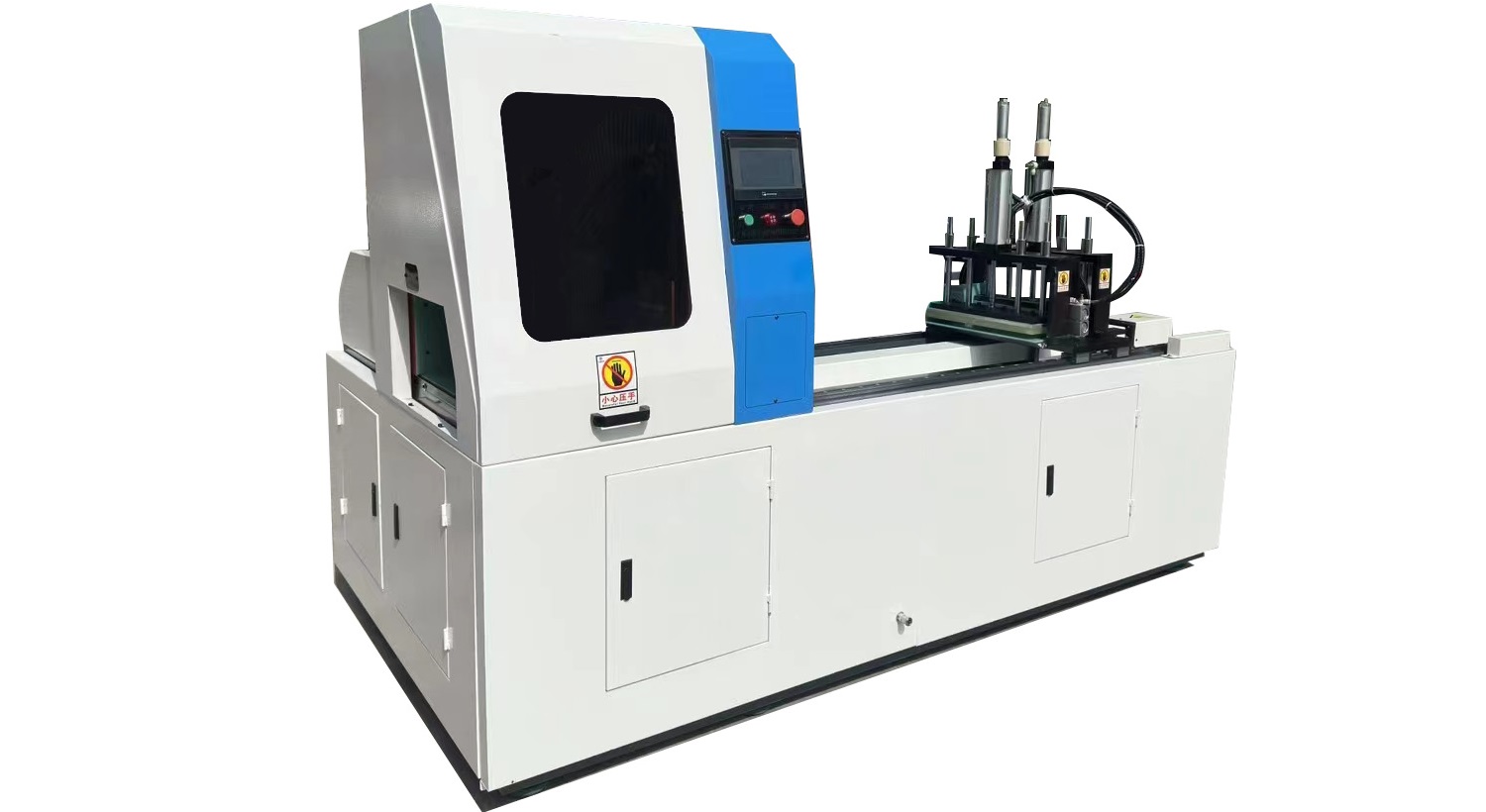
When it comes to cutting aluminum, RPM (revolutions per minute) is more than just a machine setting. It’s a crucial part of determining how well your saw cuts through the material. But RPM alone doesn’t tell the full story. Let’s break it down.
RPM represents how many times the saw blade rotates in one minute. While this seems simple enough, it doesn’t necessarily reflect how effectively the saw cuts through aluminum. The key is to understand how RPM interacts with cutting speed, which is the real indicator of performance.
Cutting speed, measured in meters per minute (m/min), is what truly dictates how efficiently your aluminum saw cuts. This speed depends on both the RPM and the diameter of the saw blade. Here’s how you calculate it:
[
Vc = \frac{\pi \cdot D \cdot n}{1000}
]
Where:
( Vc ) is the cutting speed in meters per minute.
( D ) is the diameter of the saw blade in millimeters.
( n ) is the RPM (revolutions per minute).
By adjusting RPM, you change the cutting speed, and that’s what ultimately determines the quality of your cut. Let’s dig deeper into this in the next section!
Choosing the right cutting speed is about more than just setting the correct RPM. The type of aluminum alloy you’re working with also plays a huge role. Whether you’re dealing with soft aluminum or a tougher, alloyed variant, your cutting speed and RPM need to be tailored for the job.
Soft and pure aluminum alloys, which are generally easier to cut, benefit from higher cutting speeds. This allows for better chip formation and minimizes the risk of smearing or buildup on the cutting edges.
For aluminum alloys containing elements like silicon or copper, the machining process can be more challenging. These alloys tend to be harder and more abrasive, so medium to lower cutting speeds are ideal to prevent excessive tool wear.

Now that you understand RPM and cutting speed, it’s time to calculate the perfect RPM for your saw. It’s all about using the right formula and adjusting based on the material and saw blade size. Don’t worry, it’s easier than you think.
Here’s the formula to calculate RPM from cutting speed:
[
n = \frac{1000 \cdot Vc}{\pi \cdot D}
]
You’ll need to know:
Cutting speed ( Vc ) (usually recommended by material manufacturers).
Blade diameter ( D ).
For example, if you’re using a 500 mm blade and aiming for a cutting speed of 4,500 m/min, the RPM would be approximately 2,600. This is a simple calculation, but it’s essential for achieving optimal cutting conditions.
While RPM and cutting speed are critical, they don’t work alone. The feed rate and cutting depth are just as important. All three parameters must be in harmony to achieve the best possible results.
The feed rate determines how quickly the saw blade moves through the material. This must be balanced with RPM to ensure that the saw blade doesn’t just rub against the material but actually cuts it efficiently.
The depth of the cut, often determined by the thickness of the material, also impacts the cutting speed. For thicker materials, a lower RPM may be required to maintain precision and prevent overheating.

In conclusion, finding the right RPM for your industrial aluminum saws isn’t just a matter of adjusting a setting on the aluminum saw machine. It’s about understanding the relationship between RPM, cutting speed, feed rate, and the type of aluminum you’re working with. By calculating the correct RPM and using it in harmony with other factors, you can improve both the quality and efficiency of your cuts. Don’t guess when it comes to setting RPM—use the right tools and formulas to ensure you’re always getting the best result.
What happens if the RPM is too low or too high?
If RPM is too low, it can lead to uneven cuts and tool damage. If too high, it might cause excessive heat buildup, resulting in poor-quality cuts.
Can I adjust the RPM on my saw manually?
It’s not recommended unless your machine is equipped with variable-speed controls. Manual adjustments could lead to operational issues.
What’s the best RPM for cutting soft aluminum?
Soft aluminum typically benefits from higher RPM, leading to smoother cuts and better chip removal.
How do I calculate the RPM for my aluminum saw?
Use the formula ( n = \frac{1000 \cdot Vc}{\pi \cdot D} ) to determine the optimal RPM based on your desired cutting speed and saw blade diameter.
Should I adjust RPM for different aluminum alloys?
Yes, different alloys require different cutting speeds, so adjust your RPM accordingly for optimal results.
What blade diameter is ideal for cutting aluminum?
Larger blades are often more efficient for cutting through thicker aluminum sections, but they require lower RPM to maintain cutting speed.
How does feed rate affect the cutting process?
A balanced feed rate ensures that the saw blade cuts through the aluminum without excessive friction or wear.
Can a CNC saw automatically adjust RPM?
Yes, modern CNC machines often have adaptive control systems that adjust RPM based on real-time conditions.
How do I maintain my saw blade for optimal performance?
Regularly clean your saw blade, check for wear, and ensure it’s properly tensioned to avoid any cutting issues.
Contact us if you have any questions we will reply as soon aspossible