Introduction
When it comes to precision machining, chamfering is a crucial process for many industries, including metalworking, automotive, and construction. If you’re considering investing in a chamfering machine, one of the first decisions you’ll need to make is whether to opt for a single end or double end chamfering machine. In this guide, we’ll explain the differences between these two types of chamfering machines, helping you make an informed choice that best suits your needs.
What is Chamfering?
Chamfering is the process of beveling the edges of a workpiece to eliminate sharp corners. This is often done for both aesthetic and functional reasons, such as improving the appearance, reducing stress concentrations, and ensuring smoother assembly. Chamfering is particularly important in applications where precise fitment and safety are crucial.
What is a Single End Chamfering Machine
A single end chamfering machine is designed to bevel the edges of a workpiece at only one end. This type of machine is ideal for jobs where only one side of the material needs to be chamfered. Single end machines are commonly used in operations that involve smaller production runs or when only one edge needs to be processed.

KCM 60SE Pneumatic Single Head Chamfering Machine 3
What is aDouble End Chamfering Machine
On the other hand, a double end chamfering machine is capable of beveling both ends of a workpiece simultaneously or sequentially. This machine type is ideal for high-volume production environments where efficiency and throughput are critical. Double end chamfering machines typically have more complex setups and can handle larger quantities of parts, making them a preferred choice for mass production.
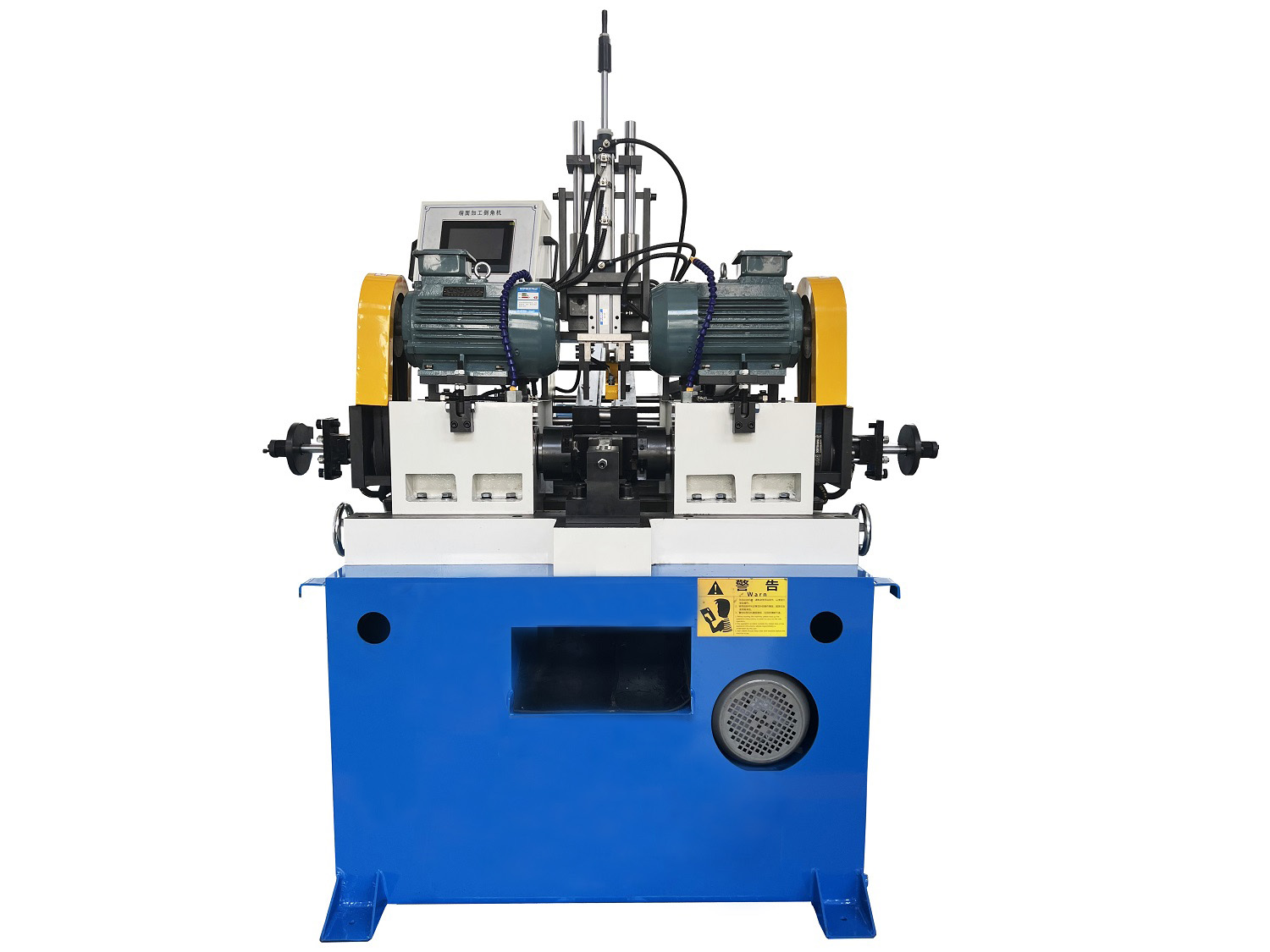
KCM 80ST
Key Differences Between Single End and Double End Chamfering Machines
|
Feature
|
Single End Chamfering Machine
|
Double End Chamfering Machine
|
|
Chamfering Capability
|
One end of the workpiece
|
Both ends of the workpiece simultaneously
|
|
Production Volume
|
Ideal for smaller batches
|
Best for large-scale production
|
|
Cost
|
More affordable
|
More expensive due to added functionality
|
|
Efficiency
|
Lower, as only one end is processed at a time
|
Higher, as both ends are processed in one go
|
|
Ideal for
|
Small projects or prototyping
|
High-volume manufacturing and mass production
|
Advantages of Single End Chamfering Machines
Cost-Effective
Single end chamfering machines are generally more affordable than double end machines. For businesses with smaller budgets or lower production volumes, they offer an economical solution without sacrificing quality.
Compact Design
These machines are typically smaller and more compact, making them perfect for smaller workshops or areas with limited space. Their compact design does not compromise functionality but allows for greater flexibility in tight work environments.
Ideal for Low-Volume Production
Single end chamfering machines are perfect for jobs that involve low production runs or projects where only one edge needs to be chamfered. This makes them ideal for prototyping or small-scale manufacturing.
Advantages of Double End Chamfering Machines
Higher Productivity
By chamfering both ends of a workpiece at the same time, double end chamfering machines significantly increase production efficiency. This is crucial for businesses that need to meet high-volume production targets.
Better for High-Volume Production
These machines excel in environments where large batches need to be processed quickly. By eliminating the need for multiple passes, double end machines can complete jobs in half the time compared to single end machines, enhancing throughput.
Consistent Precision
Double end chamfering machines provide more consistent results for mass production, ensuring that both ends of every workpiece are chamfered to the same specifications.
Applications
Single End Chamfering Machines
Small Batch Production
If your production involves small quantities of parts or prototypes, single end chamfering machines are the ideal choice. They provide sufficient power for jobs that don’t require high-volume output.
Tight Spaces
In shops or factories where space is limited, the compact size of single end chamfering machines makes them a versatile option. Their smaller footprint allows for easy placement without taking up valuable floor space.
Custom or Specialized Components
Single end chamfering machines are particularly useful in industries where parts require specific customization or specialized processes that don’t require handling both ends.

KCM-M42 Automatic Bolt Chamfering Machine
Double End Chamfering Machines
Large-Scale Manufacturing
Double end chamfering machines are designed for large-scale manufacturing. They are the go-to choice for businesses that need to process hundreds or thousands of parts in a short period of time. Applications in automotive, aerospace, and construction industries benefit from the increased efficiency.
High Precision on Both Ends
When you need chamfering on both ends of a workpiece, such as in pipes, structural beams, or tubes, double end chamfering machines provide consistent, precise results across both ends simultaneously.
Pipe and Tube Manufacturing
These machines are particularly effective in industries like pipe and tube manufacturing, where both ends of the material need to be chamfered for proper fitment during assembly.
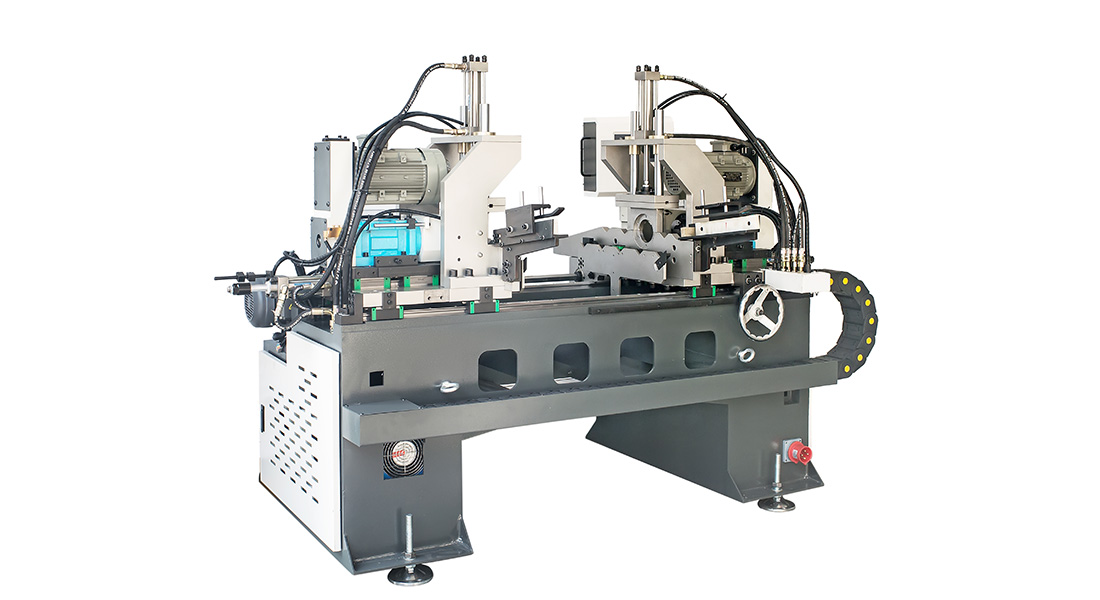
KCM 60DE Automatic Lift Feeding Double End Chamfering Machine 2
How to Choose Between Single End and Double End Chamfering Machines?
Selecting between a single end and double end chamfering machine depends on a few key factors related to your production requirements and workspace limitations. Here’s how to decide:
Production Volume
- Single End Chamfering Machine: If your business deals with smaller quantities of parts or prototypes, a single end machine is more than enough. It’s cost-effective for low to medium production runs.
- Double End Chamfering Machine: For high-volume production environments where speed and efficiency are key, double end chamfering machines are the better choice. These machines will help you process large batches more quickly.
Space Availability
- Single End Chamfering Machine: With a more compact design, single end machines are better suited for smaller spaces. If your shop or factory has limited floor space, this is an ideal option.
- Double End Chamfering Machine: Larger and more complex, double end machines require more space. Ensure that you have sufficient room for installation and operation.
Production Needs
- Single End Chamfering Machine: Choose this if you only need to chamfer one side of the workpiece, such as in metalworking projects where only one edge is important.
- Double End Chamfering Machine: If your application requires chamfering both ends of a workpiece (e.g., pipes or beams), a double end machine will be more efficient and accurate.
Budget Considerations
- Single End Chamfering Machine: Typically more affordable than double end machines, making it a good choice for businesses with a smaller budget.
- Double End Chamfering Machine: While more expensive due to their advanced features, these machines offer better productivity for larger operations.
Why Choose Keensaw Chamfering Machines?
At Keensaw, we understand the unique needs of businesses in the manufacturing and machining sectors. Our chamfering machines are engineered for precision, durability, and performance. Whether you’re opting for a single end or double end chamfering machine, our products are designed to optimize your workflow and improve your operational efficiency.
Choose Keensaw for reliable, high-performance chamfering solutions that help you stay ahead of the competition.
FAQs
Q: How do I choose between a single end and a double end chamfering machine?
Choose a single end chamfering machine for small batches or when only one edge needs to be processed, and a double end chamfering machine for high-volume production or when both ends need to be chamfered.
Q: Are double end chamfering machines difficult to operate?
No, double end chamfering machines are designed for ease of use, with many models featuring user-friendly controls.
Q: Can Keensaw chamfering machines handle different materials?
Yes, Keensaw chamfering machines are versatile and can process a variety of materials, including metals, plastics, and composites.
Q: How often should I maintain my chamfering machine?
Regular maintenance every few months is recommended, with checks for cleanliness and any worn-out parts.
Q: Can a single end chamfering machine be upgraded to double end?
Typically, no—single end and double end machines are designed with different functionalities, and upgrading would usually require purchasing a new machine.
Conclusion
Selecting the right chamfering machine—whether a single end or double end model—depends on your production requirements and the volume of parts you need to process. By understanding the key differences between these machines, you can make a more informed decision. At Keensaw, we provide both single end and double end chamfering machines that are designed to boost your production efficiency and deliver precise results.
Upgrade your manufacturing process today with Keensaw’s high-performance chamfering machines.