Introduction
Laser cutting machines are widely used for manufacturing precision parts, yet many quality and cost problems come from avoidable mistakes rather than equipment limitations. If you are a buyer or procurement decision-maker, understanding these risks early helps you reduce trial-and-error, protect part accuracy, and invest in a laser cutting solution that truly matches your production needs instead of creating hidden long-term costs.
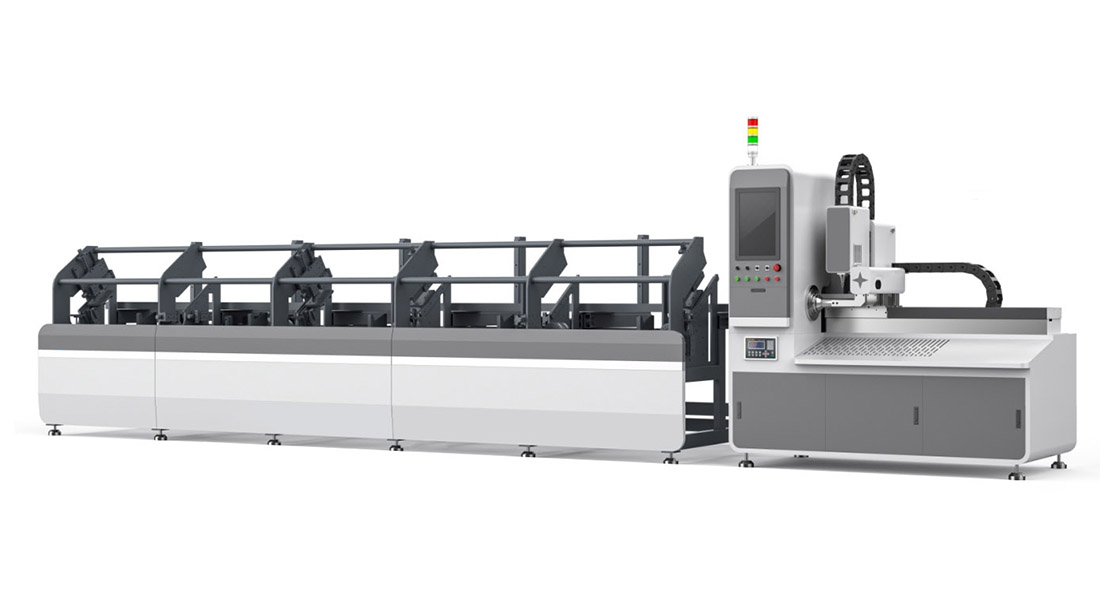
Economical 90-Degree Laser Tube Cutting Machine LSC90-A
Top 5 common mistakes
Mistake 1: Ignoring Material Characteristics Before Cutting
Material Behavior Directly Affects Precision
When you use a laser cutting machine, materials never behave the same way. Reflectivity, thermal conductivity, and thickness all influence how the laser interacts with the surface. Applying identical cutting parameters across different materials is one of the fastest ways to lose precision.
For example, stainless steel may cut cleanly with stable edges, while aluminum under the same settings can produce heavy dross or rough finishes. This is not a machine defect—it’s a material response issue.
Many buyers prioritize machine specifications but underestimate material compatibility, which often leads to disappointing results after installation.
Common Consequences You May See
- Excessive burrs along cut edges
- Heat distortion affecting tolerances
- Inconsistent quality between batches
- Higher scrap and material waste
- Extended setup and adjustment time
From a purchasing standpoint, choosing a laser cutting machine that matches your core materials is more important than chasing headline specifications.
Mistake 2: Selecting Excessive Laser Power for Precision Parts
Higher Power Doesn’t Guarantee Better Accuracy
It’s easy to assume that more laser power means better performance. In reality, excessive power can reduce control when cutting thin or delicate precision parts.
One buyer selected a high-power fiber laser to process thin brass components. The result was wider kerf widths, overburning, and loss of fine detail. The machine was impressive, but poorly suited to the application.
For you, the goal should be precision stability, not maximum output.
Problems Linked to This Mistake
- Overcut edges on thin materials
- Loss of fine features and detail
- Increased post-processing work
- Unnecessary energy consumption
- Shorter lifespan of optical components
Well-matched power delivers consistency, which matters far more in precision manufacturing.
Mistake 3: Neglecting Focus Control and Beam Alignment
Precision Often Fails at the Focal Point
Laser cutting accuracy depends heavily on correct focus positioning. Even minor misalignment can degrade edge quality and dimensional accuracy. Yet many operations treat focus adjustment as a one-time task.
In one real production case, quality suddenly declined after routine maintenance. The issue turned out to be a slightly misaligned cutting head—not software or materials.
As a buyer, optical stability and automatic focus systems should be part of your evaluation criteria.
What Happens When Focus Is Ignored
- Tapered or uneven cut edges
- Incomplete cuts on thicker parts
- Frequent downtime for recalibration
- Reduced consistency in long runs
- Greater reliance on operator experience
Machines with intelligent focus control reduce operational risk over time.
Mistake 4: Underestimating the Role of Assist Gas
Assist Gas Is a Core Process Factor
Assist gas is not a secondary feature in laser cutting—it directly affects cut quality, oxidation, and surface finish. Oxygen, nitrogen, and air all produce very different results.
Some buyers focus heavily on machine price while overlooking gas system requirements. Later, they face higher operating costs or compromised quality.
Typical Issues Caused by Poor Gas Management
- Oxidized or discolored edges
- Heavy dross accumulation
- Inconsistent surface appearance
- Slower cutting speeds
- Difficulty meeting cosmetic standards
For precision parts, reliable gas control is not optional.
Mistake 5: Overlooking Software, Programming, and Operator Consistency
Even Advanced Machines Need Proper Control
A high-performance laser cutting machine cannot compensate for poor programming or inconsistent operation. CAD/CAM settings, parameter libraries, and nesting strategies all influence final part quality.
One supplier reported dimensional variation between shifts using the same equipment. The root cause wasn’t the machine—it was inconsistent parameter usage among operators.
For buyers, long-term performance depends on process control as much as hardware.
Risks You Should Consider
- Quality variation between operators
- High dependence on individual skill
- Longer setup and trial cycles
- Lower material utilization
- Reduced overall productivity
Suppliers offering strong software support and training provide real, measurable value.

3D Laser Pipe Cutting Machine
FAQs
What is the most common mistake buyers make when selecting laser cutting machines?
Focusing too much on maximum power instead of material compatibility and precision requirements.
Can one laser cutting machine handle all precision materials effectively?
In theory, yes—but in practice, compromises usually reduce accuracy or efficiency.
How critical is assist gas selection for precision parts?
Extremely critical. It directly affects edge quality, oxidation, and dimensional consistency.
Do automatic focus systems really make a difference?
Yes. They minimize human error and maintain stable quality over long production runs.
Why should procurement teams care about software and training?
Because inconsistent programming and operation can negate even the best machine accuracy.
Conclusion
Avoiding mistakes when using laser cutting machines for precision parts is less about perfection and more about informed decision-making. When you understand material behavior, match laser power correctly, maintain stable focus, manage assist gases properly, and invest in software and training, you significantly reduce production risk.
As a buyer, your decisions shape not only purchase cost but also long-term quality, delivery reliability, and operating efficiency. The right laser cutting machine is one that balances capability with real-world application needs.
At Keensaw, we believe precision comes from systems, not just equipment. If you are sourcing laser cutting solutions for precision parts, keeping these factors in mind will help you make a smarter, more sustainable investment.