Introduction
Choosing the right cutting tool for your manufacturing processes can significantly impact the quality and efficiency of your operations. Circular cold saws are among the most precise and versatile tools available for cutting metal and other materials. In this guide, we will explore the applications of circular cold saws and how they achieve superior cutting precision.
What is a Circular Cold Saw?
A circular cold saw is a cutting tool that uses a toothed, rotating blade to cut through materials like metal, plastic. Unlike traditional cutting tools that generate heat, cold saws use a coolant or lubrication system to ensure the material being cut remains cool. This results in cleaner cuts and longer tool life.
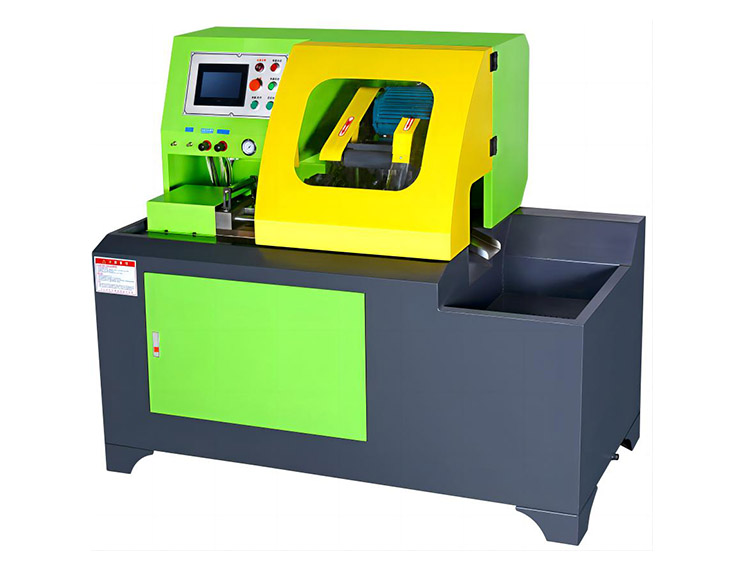
KTC 180NC copper tube cutting machine
Applications of Circular Cold Saws
Circular cold saws are widely used across various industries for precise and clean cutting of different materials. Some key applications include:
- Metal Fabrication: Circular cold saws are ideal for cutting steel, aluminum, and other metals into precise lengths.
- Pipe Cutting: Cold saws can efficiently cut metal pipes with clean edges, making them suitable for plumbing, HVAC, and industrial applications.
- Construction: Used for cutting beams, rebar, and other structural metal components.
- Automotive: Ideal for cutting automotive components like exhaust pipes, chassis, and other metal parts.
- Precision Manufacturing: Cold saws are used in industries that require tight tolerances and clean cuts, such as aerospace and medical device manufacturing.
Cutting Precision with Circular Cold Saws
One of the primary reasons circular cold saws are preferred is their cutting precision. Here’s how they ensure a superior cut:
- Clean and Smooth Edges: The cold cutting process reduces burrs and eliminates the need for secondary finishing processes.
- Consistent Cutting Depth: With their rotary motion, circular cold saws deliver consistent cutting depth, resulting in uniform pieces.
- High Accuracy: The toothed blade and controlled motion ensure precise cuts with minimal deviation, ideal for applications that require tight tolerances.
- Minimal Heat Generation: The cold saw’s ability to cut without generating significant heat prevents material distortion and discoloration.
Advantages of Using Circular Cold Saws
There are several benefits to using circular cold saws over traditional cutting methods:
- Extended Tool Life: The use of coolant keeps the saw blade cool, reducing wear and tear.
- Cleaner Cuts: Cold saws produce smoother edges, requiring less post-processing.
- Higher Cutting Speed: Circular cold saws can cut faster than other saws, improving productivity in high-volume settings.
- Material Versatility: They are capable of cutting a wide range of materials, from soft metals to harder alloys.
- Increased Safety: The cold cutting process reduces the risk of sparks and harmful fumes, ensuring a safer working environment.
Choosing the Right Circular Cold Saw for Your Needs
When selecting a circular cold saw, consider the following factors:
- Material Type: Different cold saws are designed to cut specific materials, so choose one that fits your needs (e.g., metal, plastic).
- Cutting Capacity: Consider the diameter and thickness of the material you need to cut.
- Blade Size and Speed: Larger blades and higher speeds are suitable for cutting thicker materials, while smaller blades are better for finer cuts.
- Cooling System: A good coolant system is essential for maintaining the temperature of both the material and the saw blade, ensuring precise cuts and longer tool life.
Maintenance and Best Practices
Proper maintenance can help extend the life of your circular cold saw and maintain its cutting precision. Here are some best practices:
- Regular Cleaning: Keep the blade and coolant system clean to prevent blockages and overheating.
- Blade Inspection: Inspect the blade regularly for signs of wear or damage and replace it when necessary.
- Lubrication: Ensure the coolant or lubrication system is functioning properly to reduce friction and prevent overheating.
- Proper Storage: Store your cold saw in a dry, safe place to avoid rusting or damage.
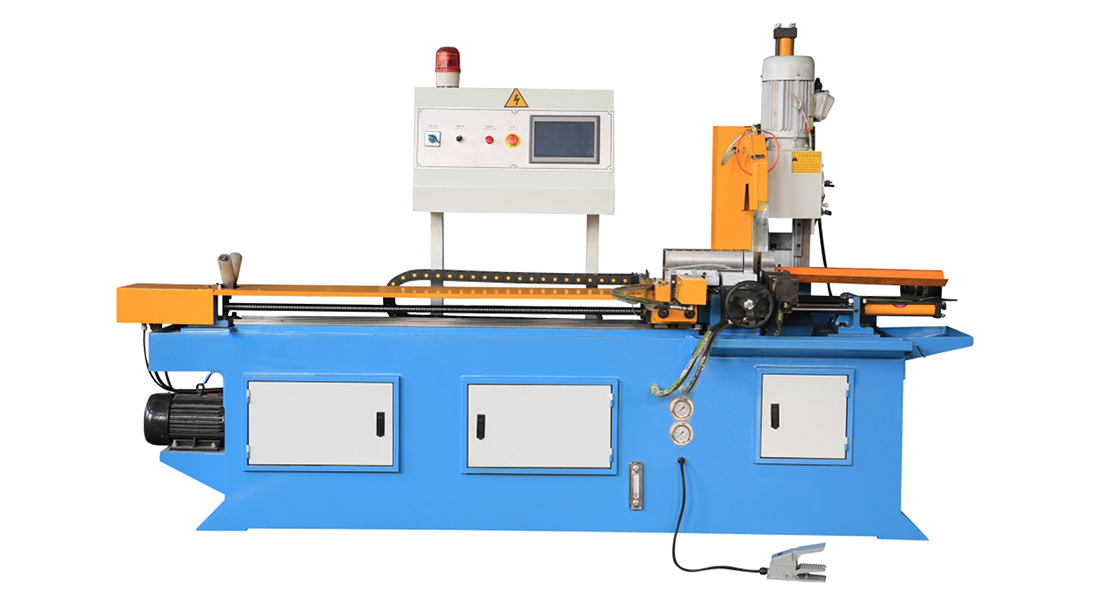
KTC 350NC A
FAQs
Q:What materials can be cut with a circular cold saw?
Circular cold saws can cut a wide variety of materials, including steel, aluminum, brass, copper, plastic.
Q:How does a circular cold saw differ from a band saw?
A circular cold saw uses a toothed blade that rotates to cut through materials, while a band saw uses a continuous, serrated blade. Cold saws generally provide cleaner cuts and require less finishing.
Q:Can a circular cold saw be used for high-volume production?
Yes, circular cold saws are ideal for high-volume production due to their fast cutting speed, high accuracy, and long tool life.
Q:How often should I replace the blade of a circular cold saw?
Blade replacement depends on usage and material being cut. Regular inspection of the blade can help determine when it’s time to replace it.
Conclusion
Circular cold saws are an essential tool for industries requiring precise and clean cuts. With their ability to cut a variety of materials with high accuracy and minimal heat generation, these saws ensure both quality and efficiency in your cutting processes. At Keensaw, we provide top-quality circular cold saws that offer superior performance for all your cutting needs. Contact us today to find the right saw for your application.